It’s been a while now, but for the autumn holiday I and a few other classmates planned and went on a six day trip to Croatia: a day and a half in Budapest, a day in Zagreb, a day and a half in Split, a day at the Plitvice Lakes, and then back through Budapest again to Kecskemét! Special thanks to Beth Hermann, Kate Kogler, Anja Sorsak, and my Uncle Jonathan for giving input and advice!
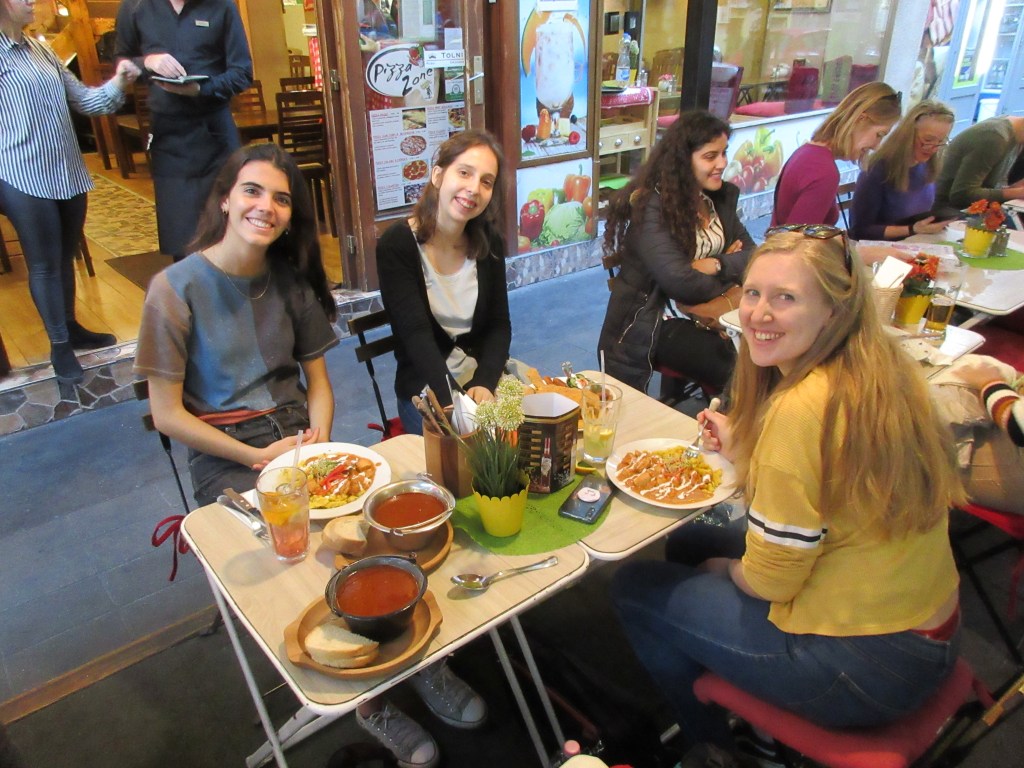
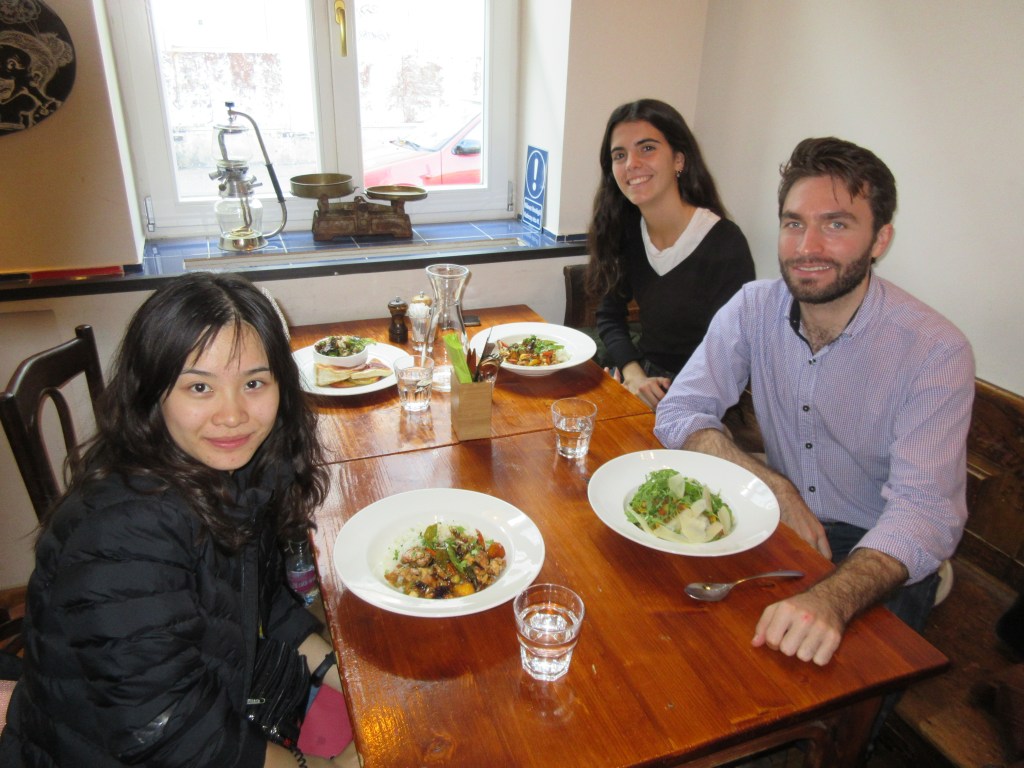
After taking the 1 hr 20 min train from Kecskemét* to Budapest*, we checked into our hostel and then had an early dinner at the Drum Cafe, recommended by our host. From left to right: Teresa (Portugal), Rita (Portugal), Clodagh (Ireland. pronounced “Clo-da”). The waiter was quite skeptical when I ordered TWO bowls of beef goulash–(I did in fact expect them to be slightly smaller) but I finished them with no hitch! It was very good, and I didn’t get hungry until lunch the next day. 🙂
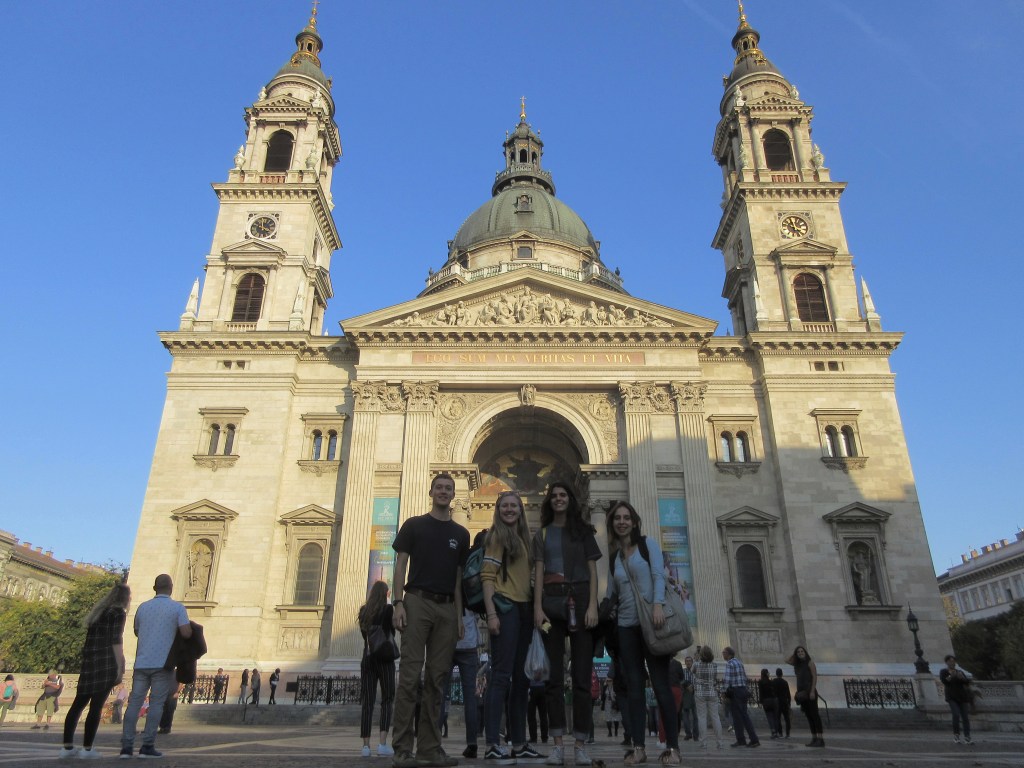
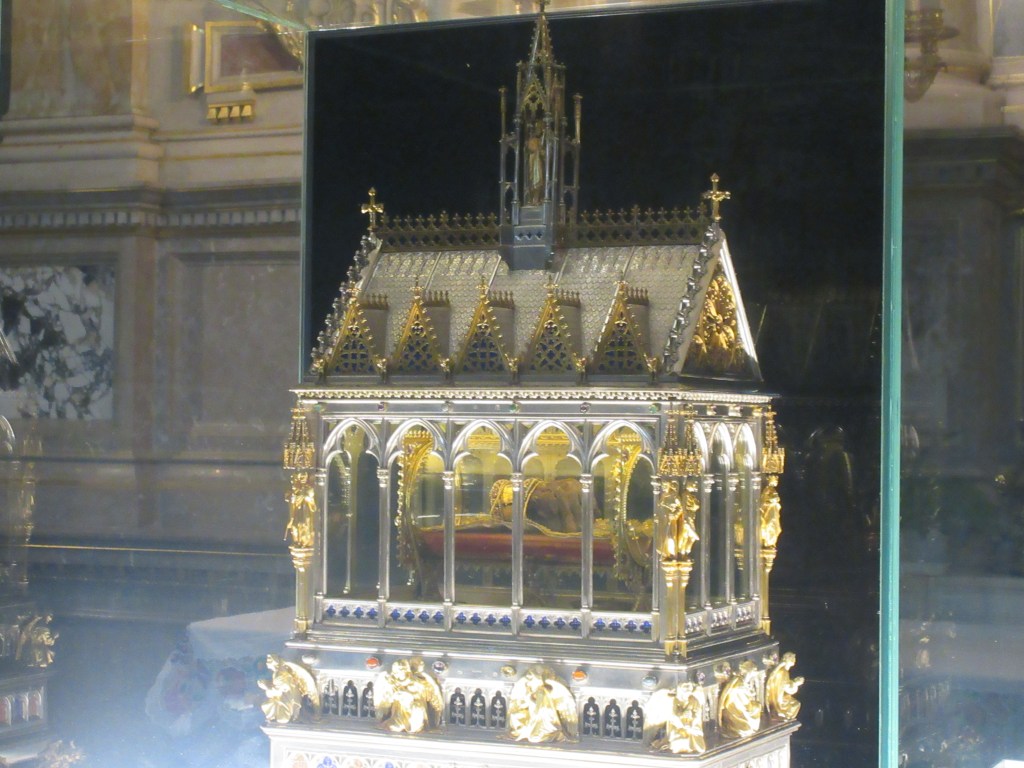
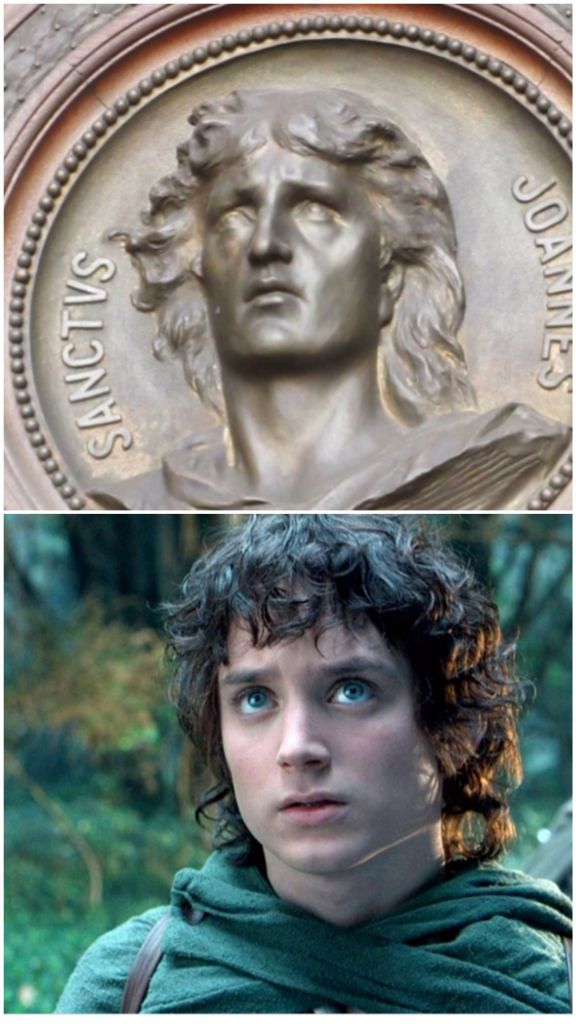
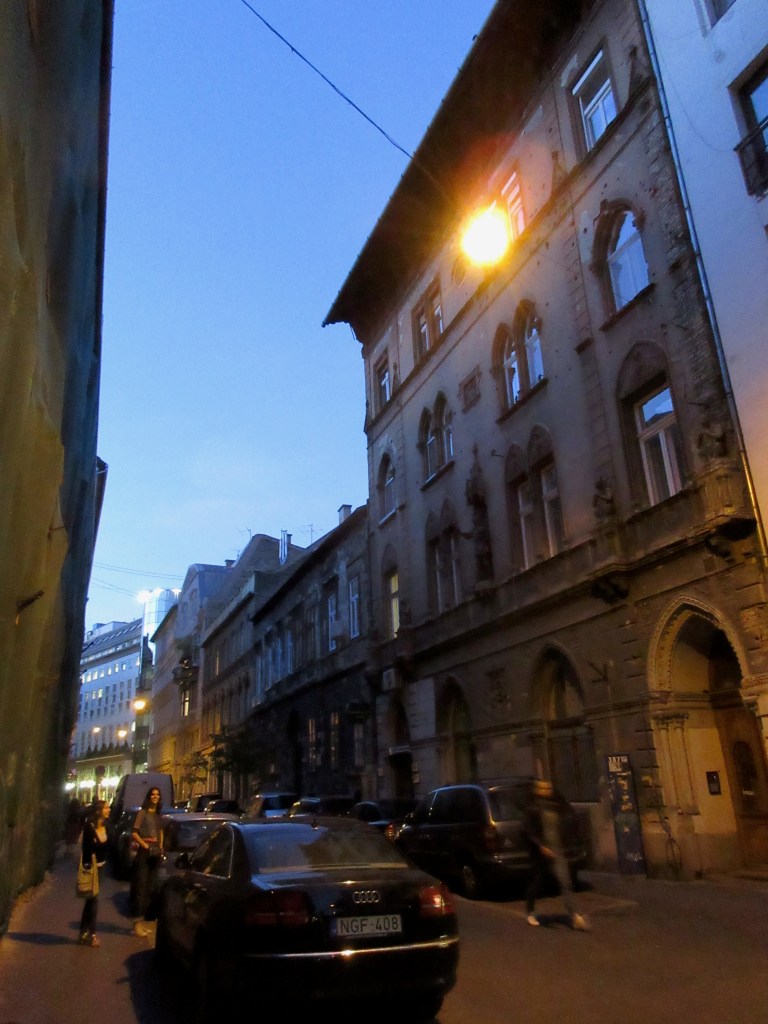
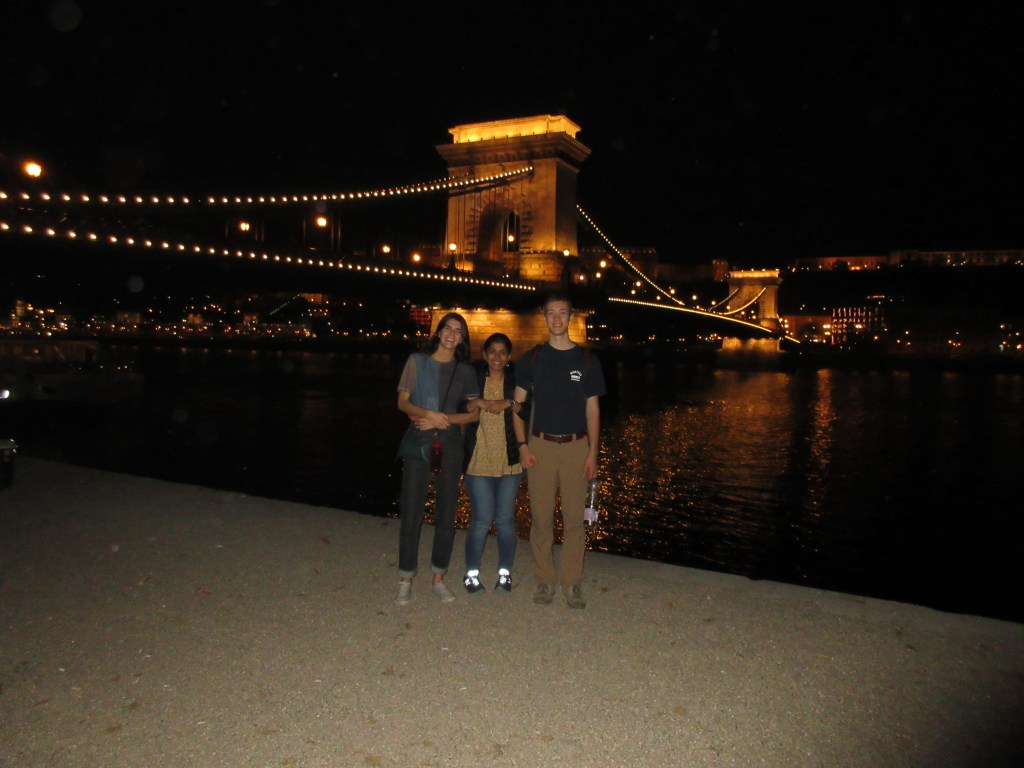
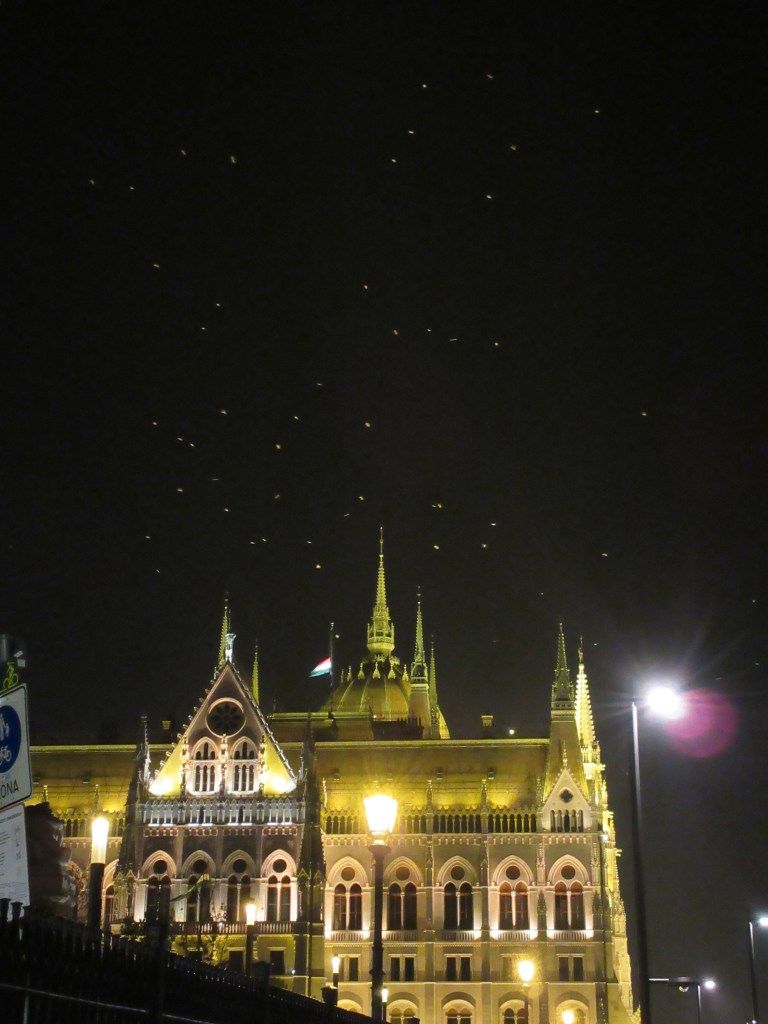
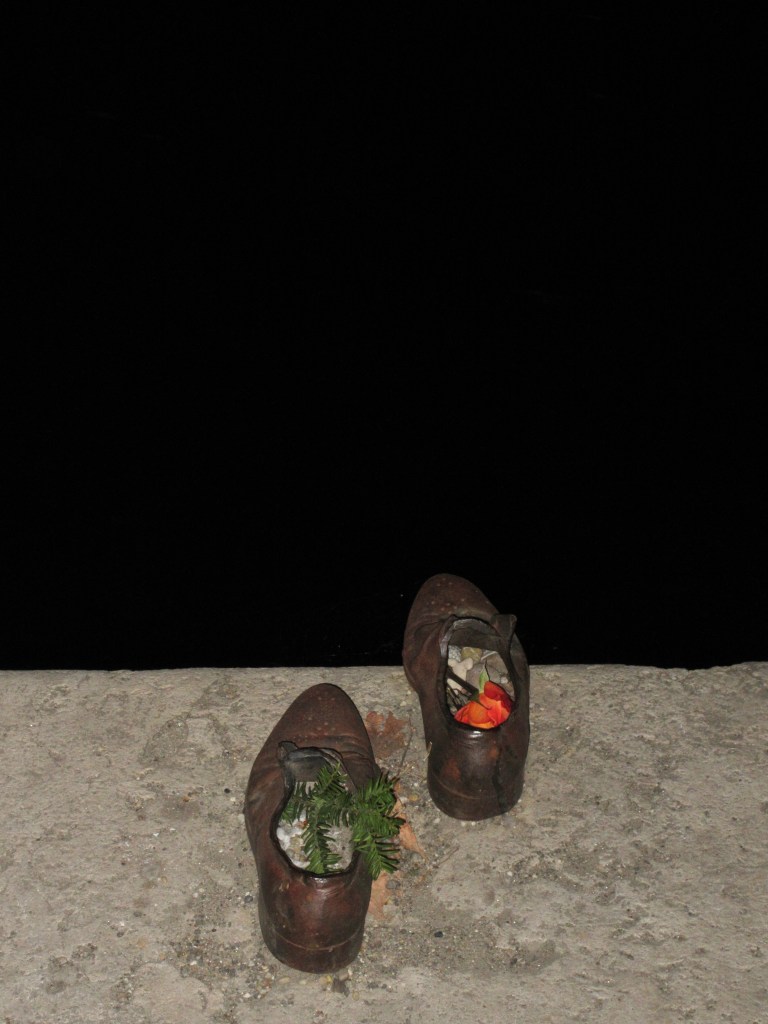
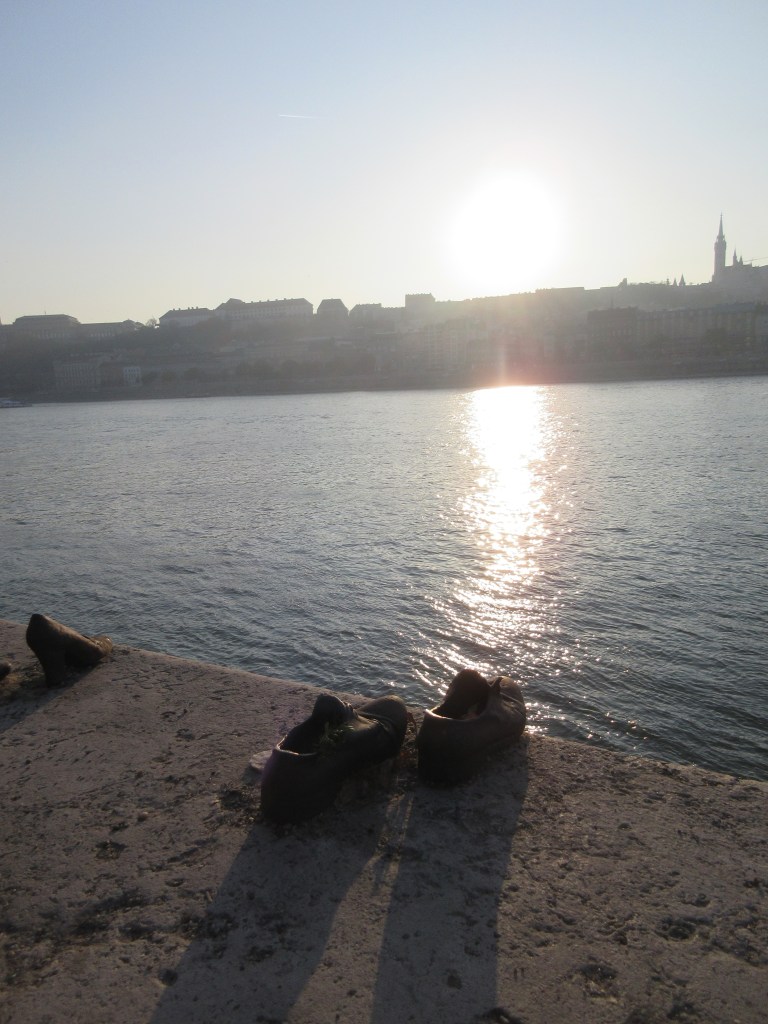
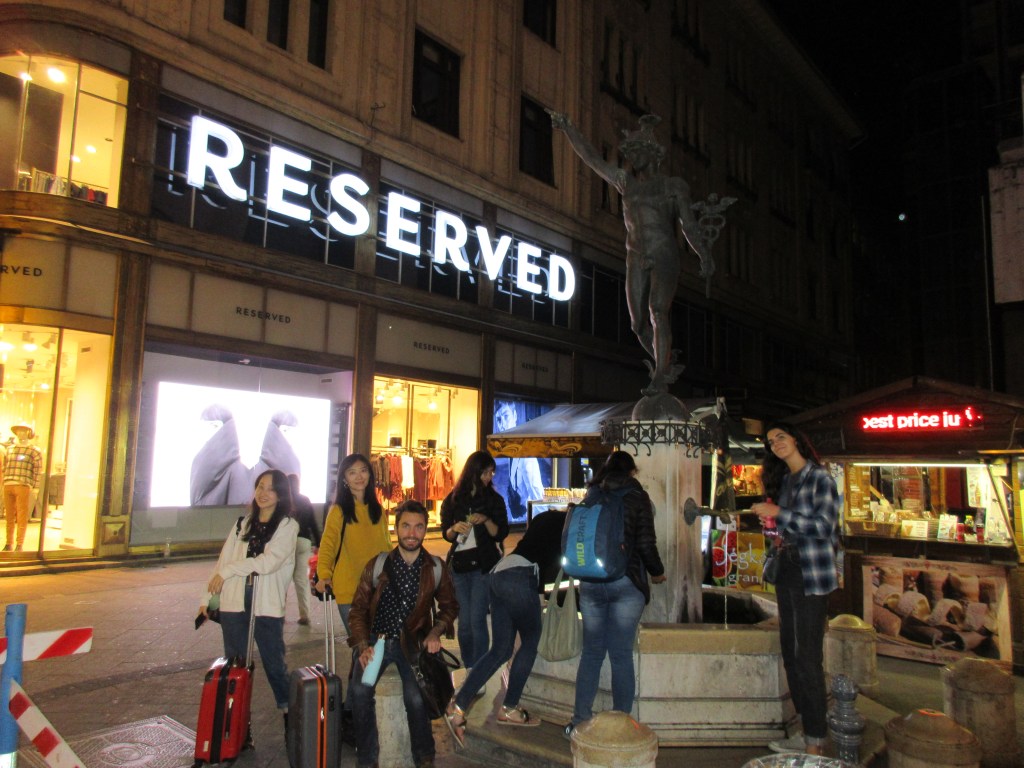
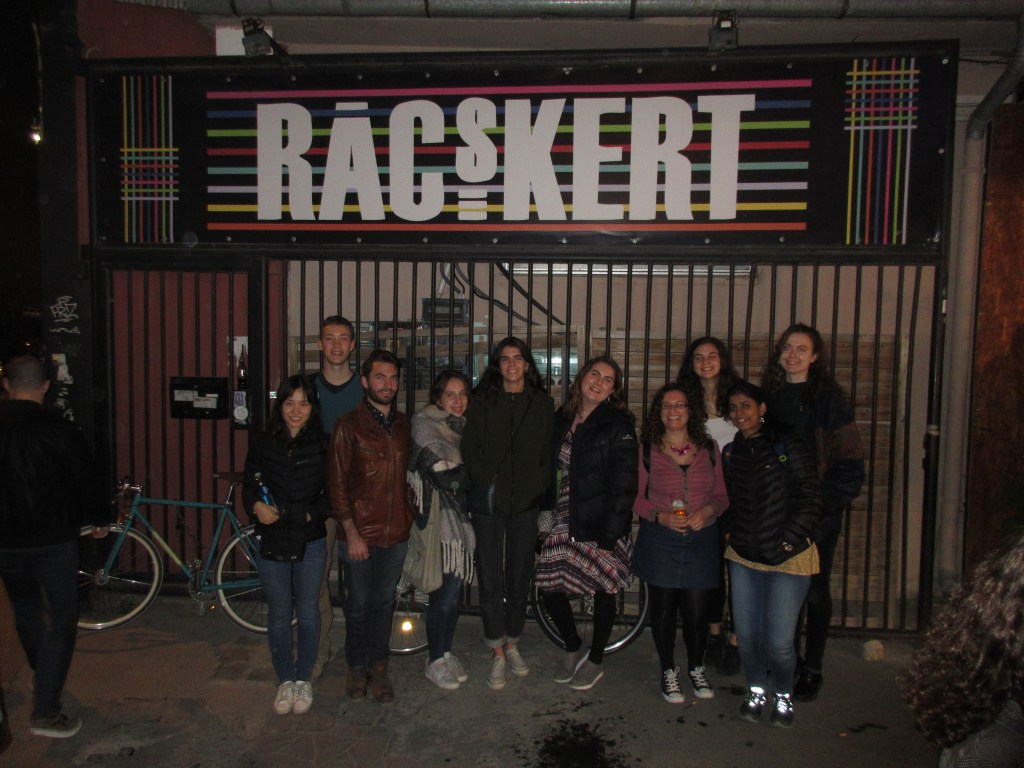
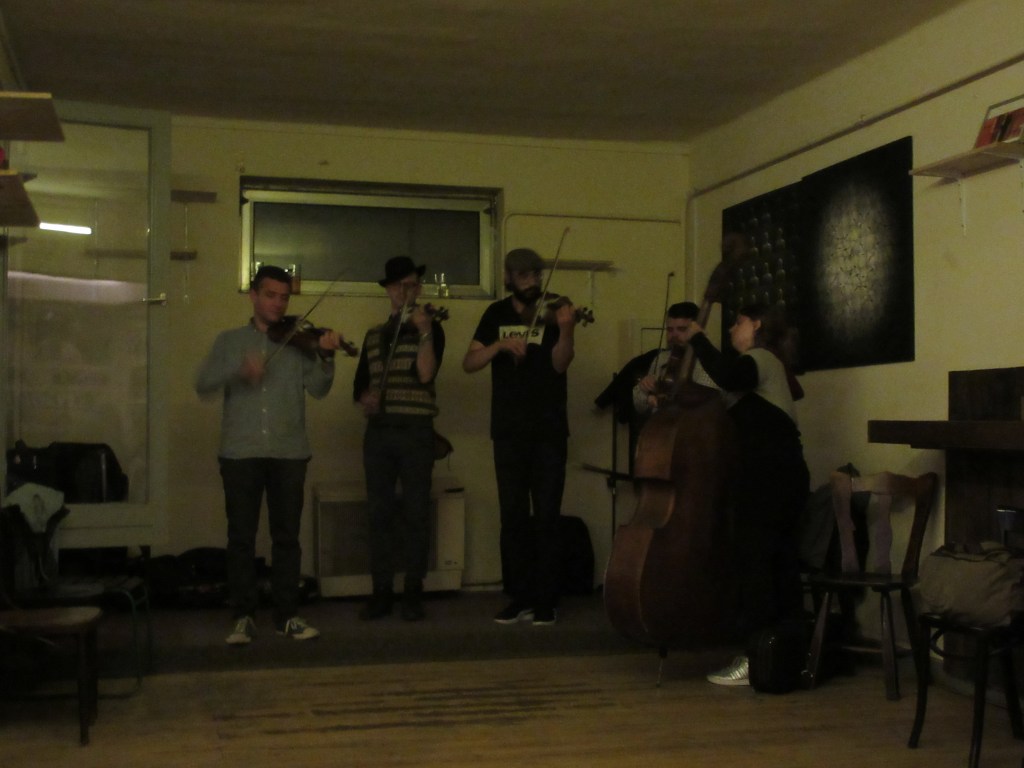
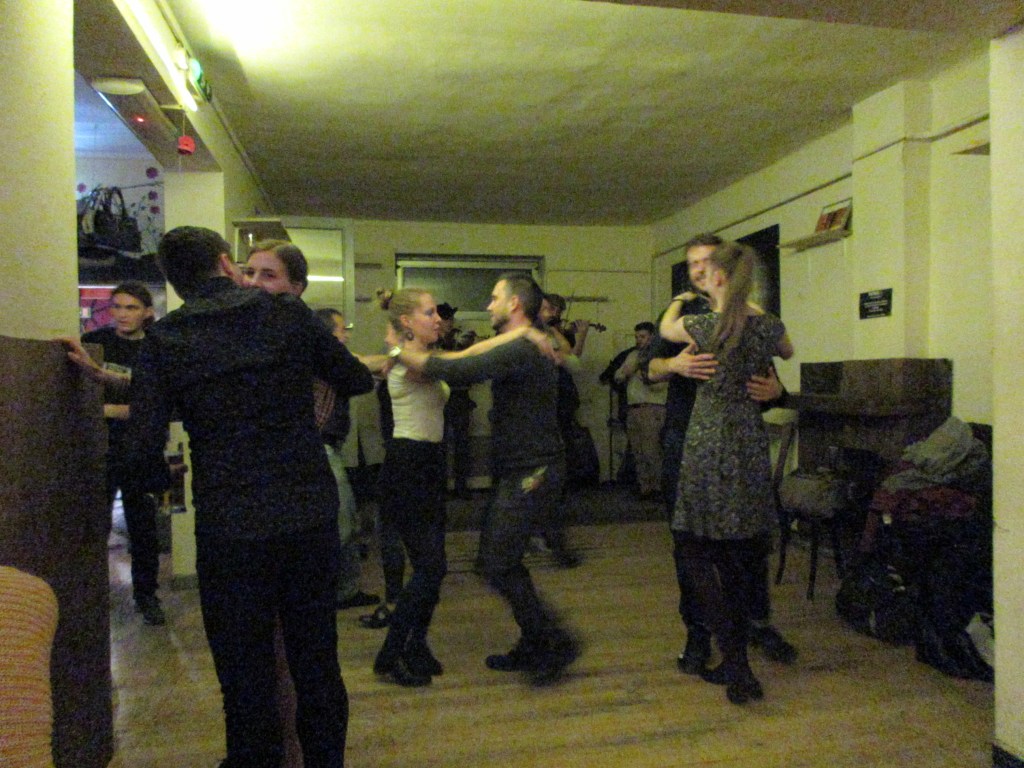
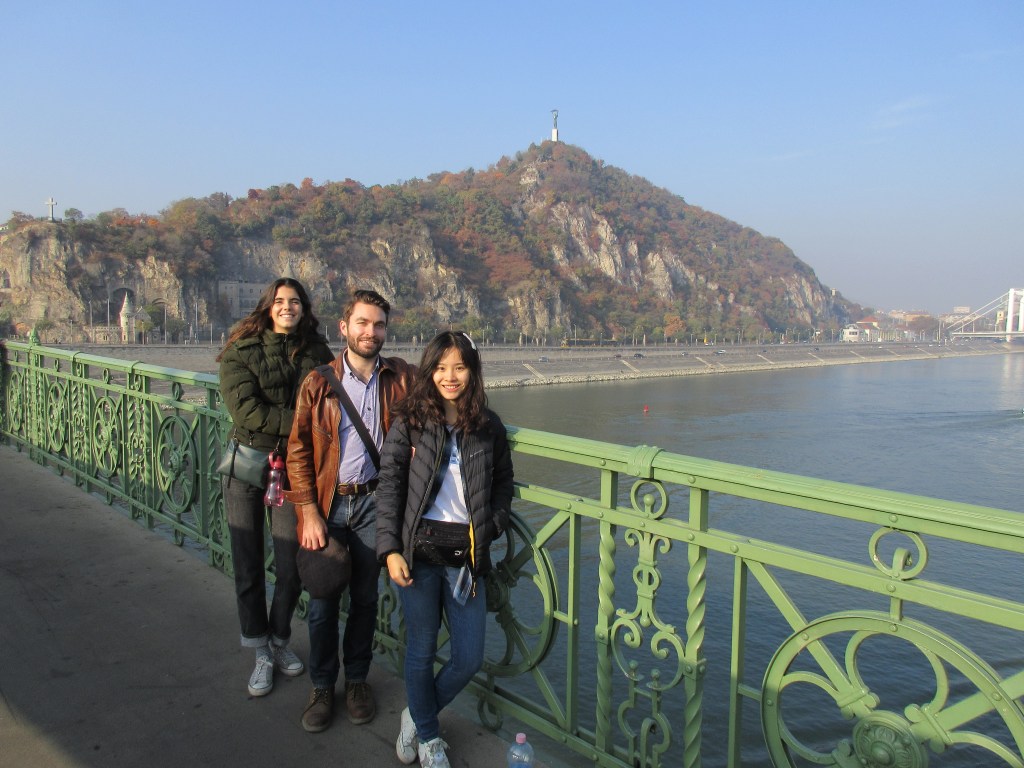
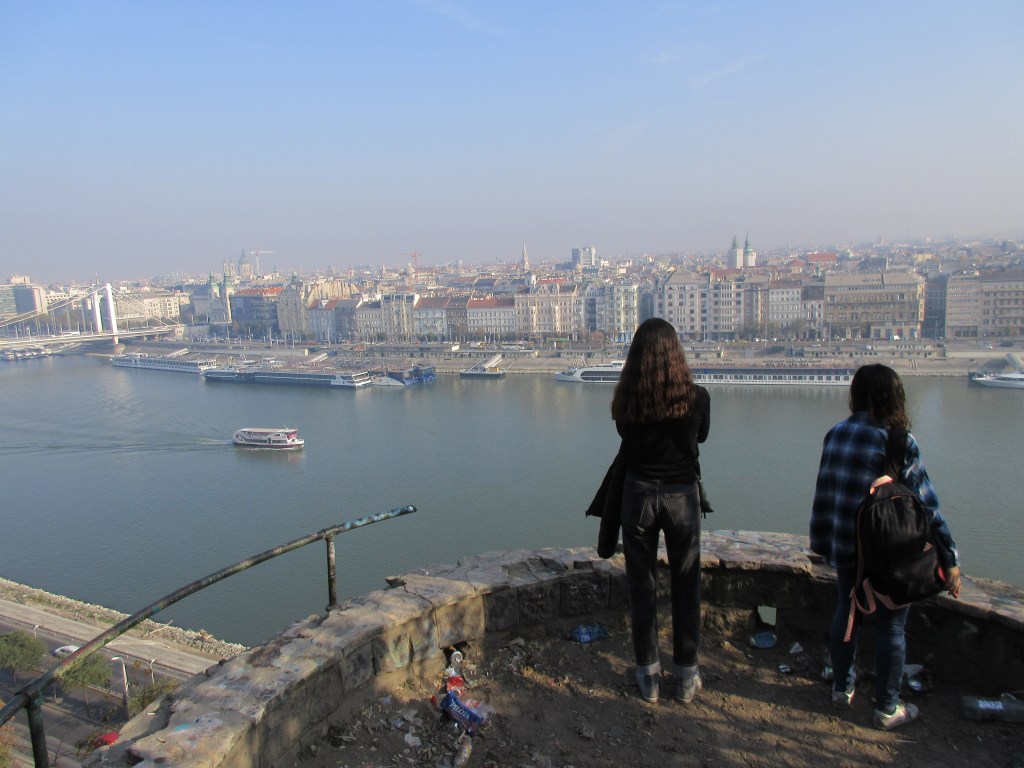
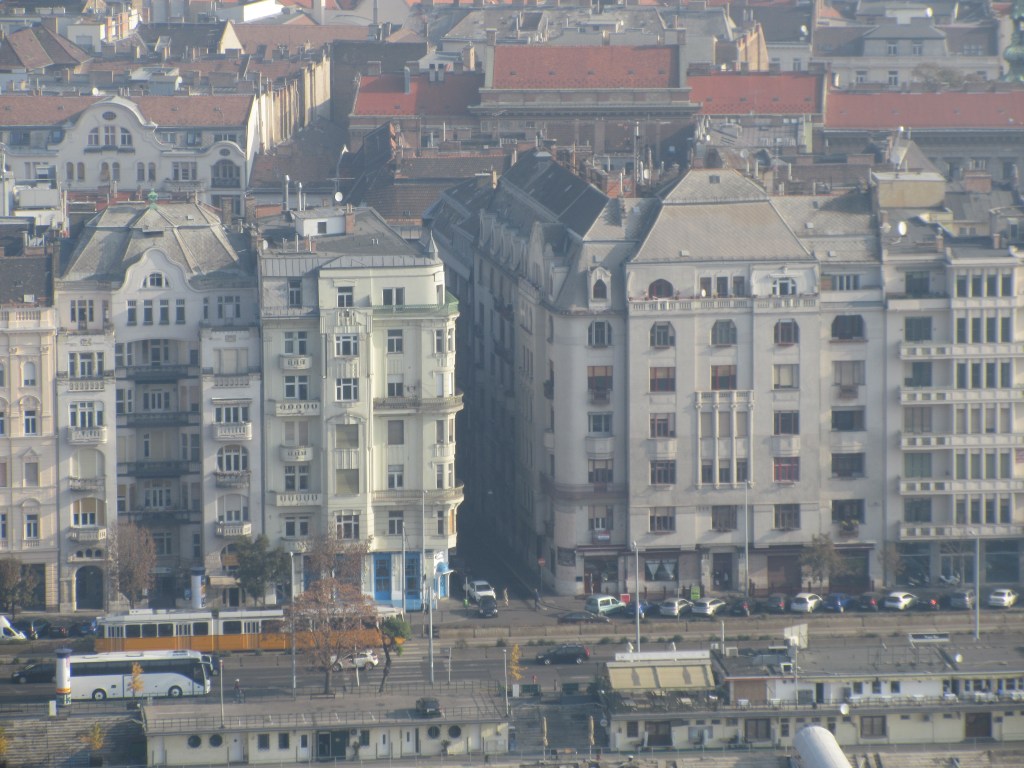
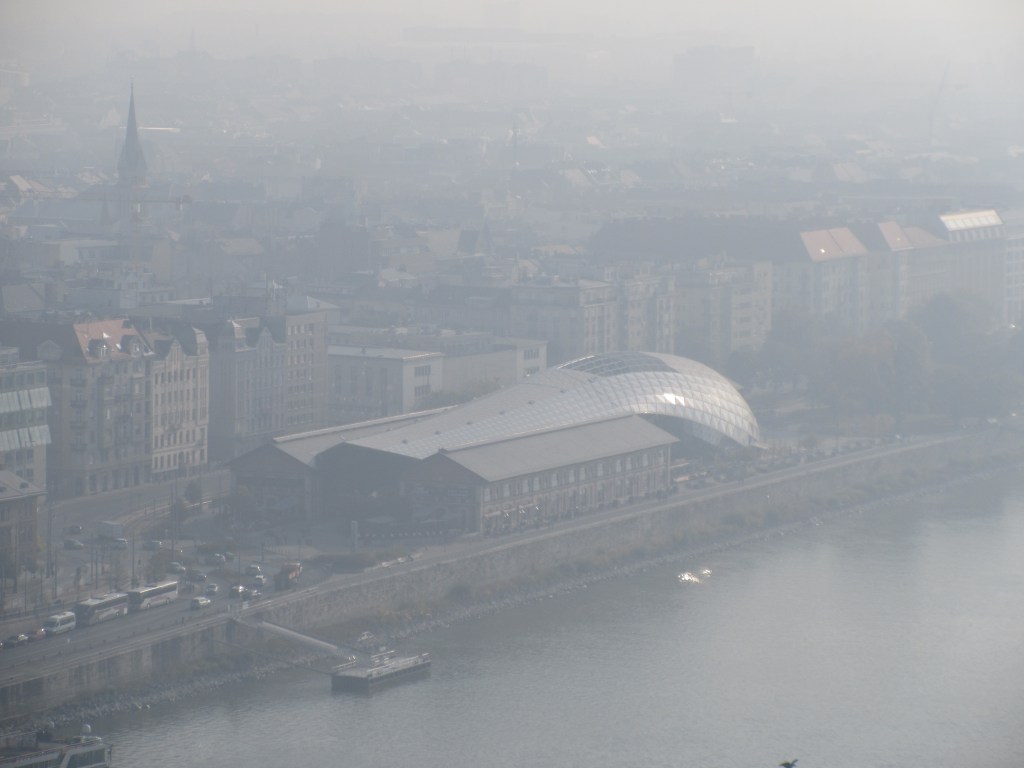
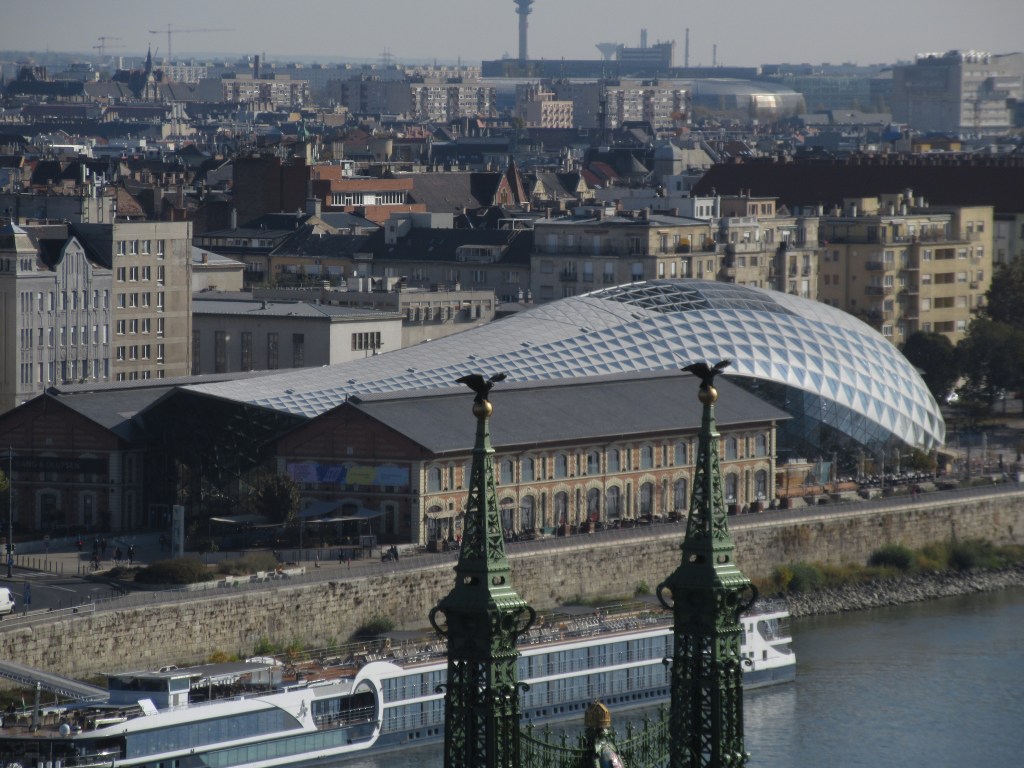
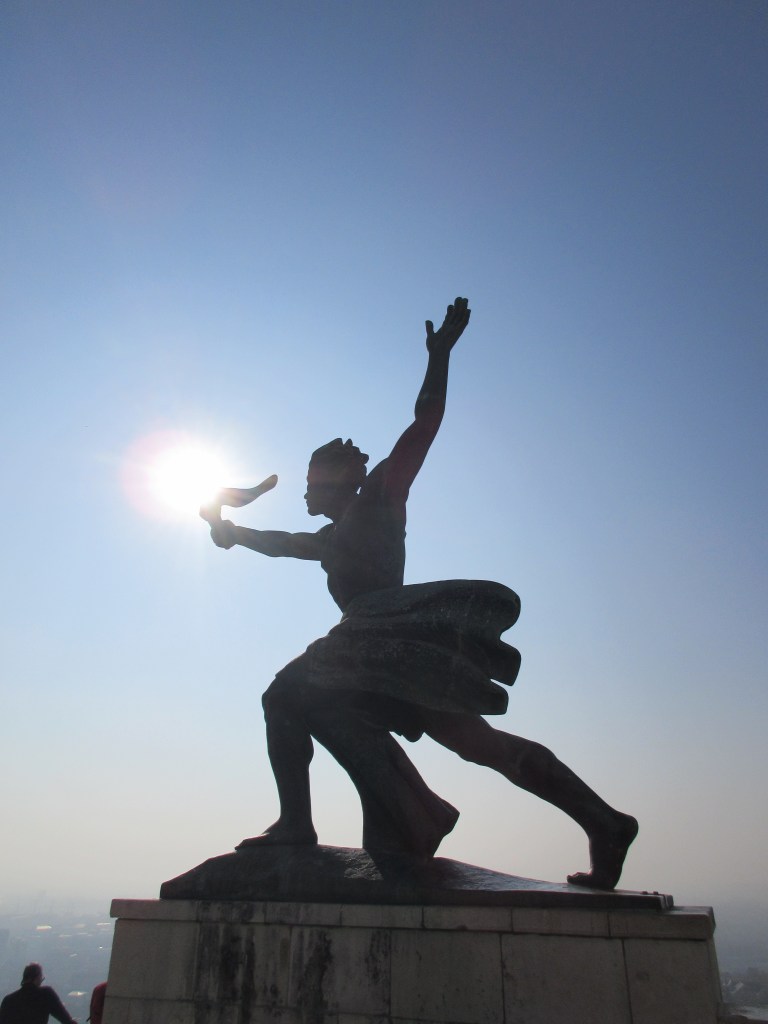
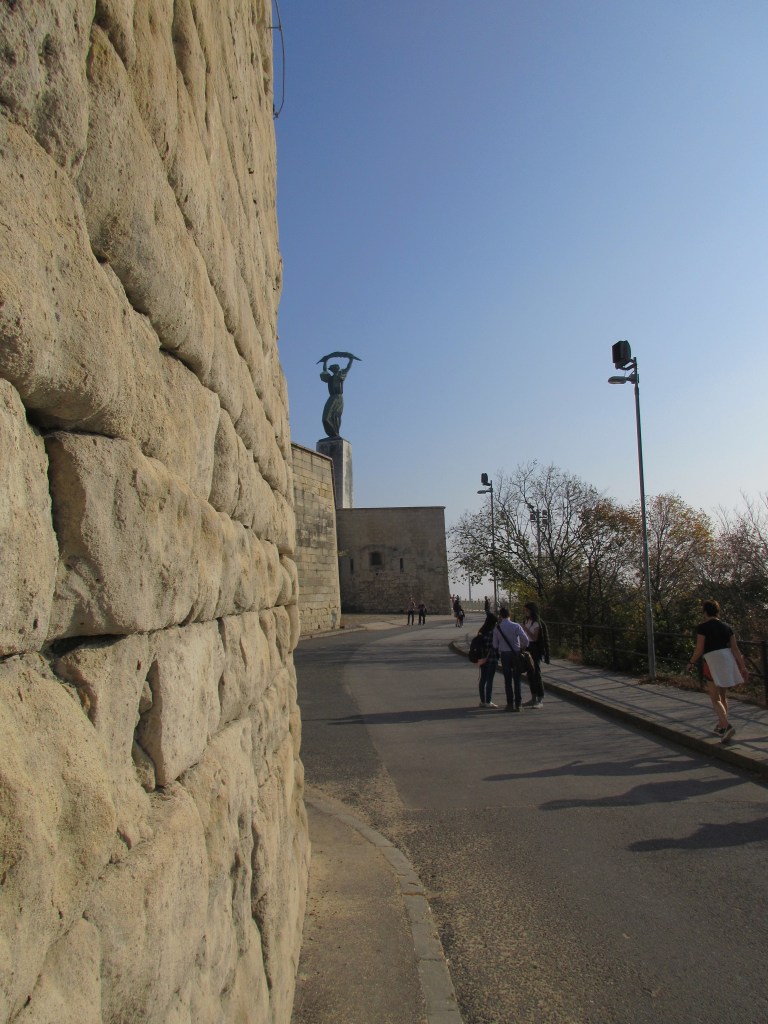
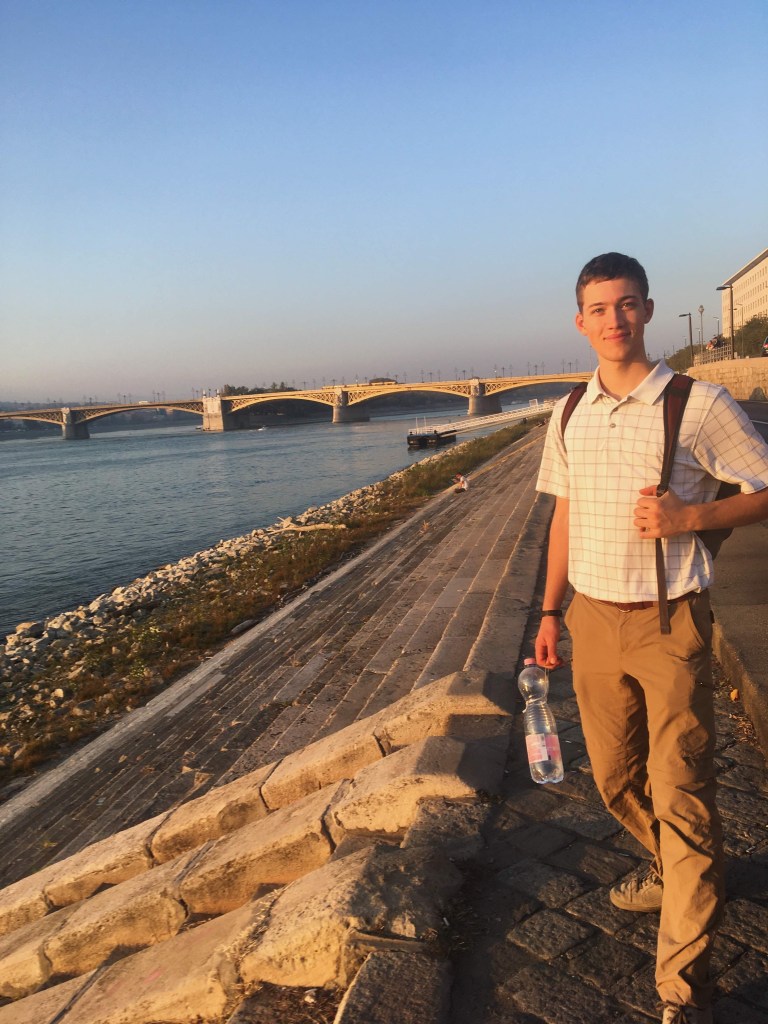
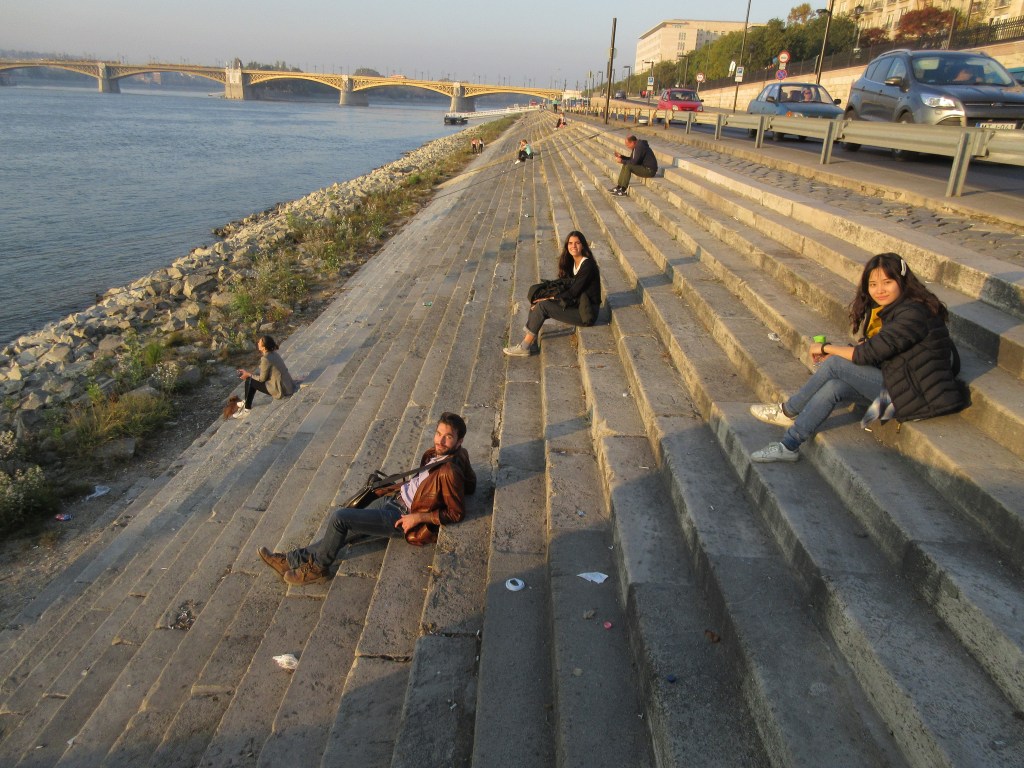
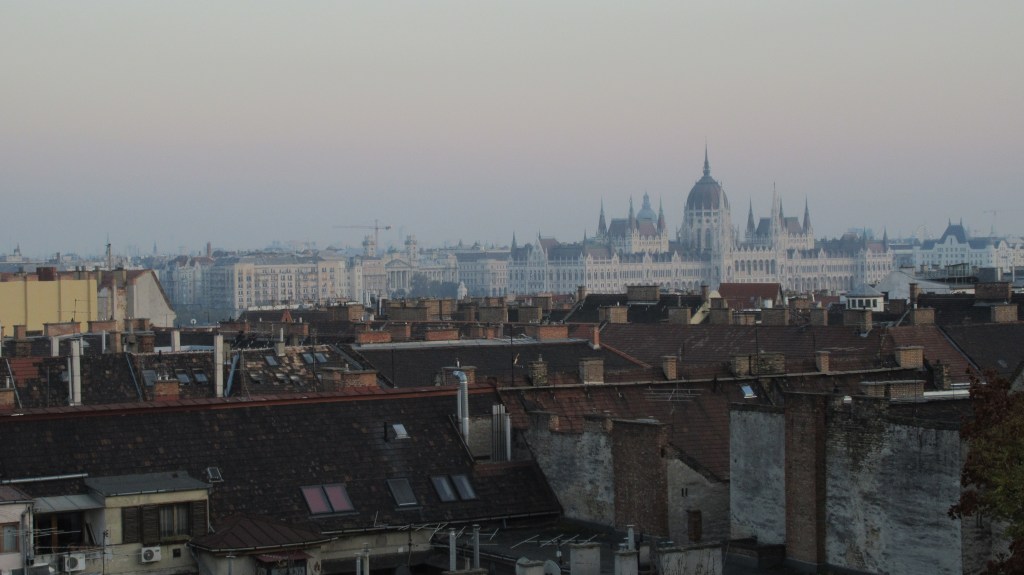
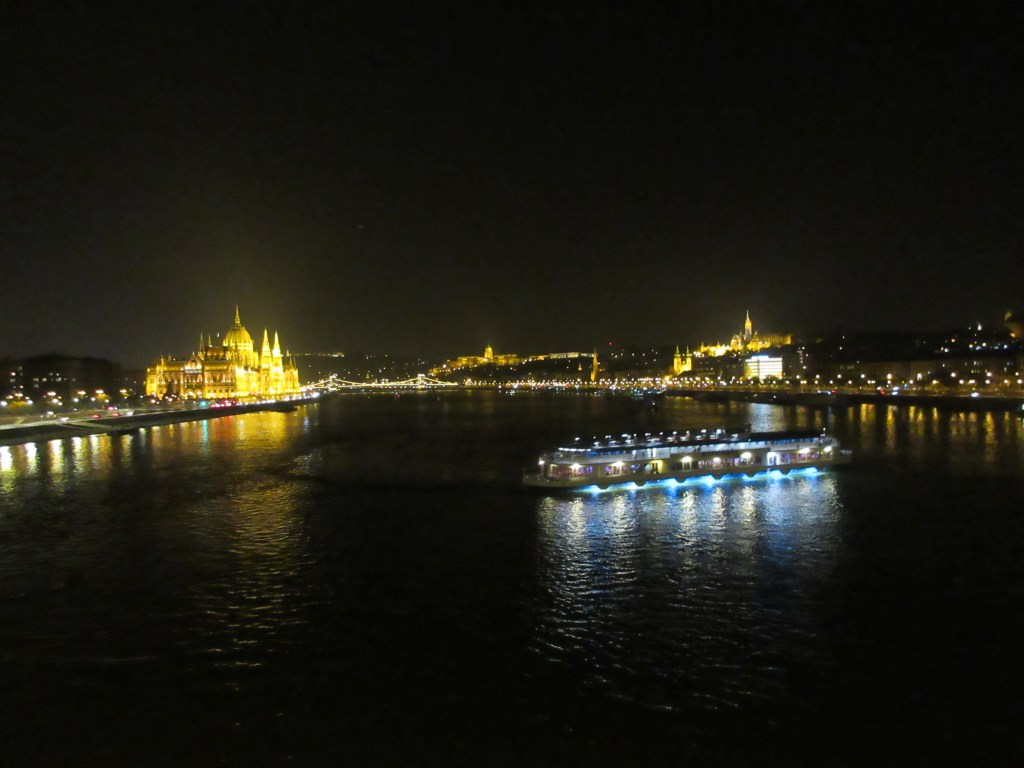
* Kecskemét = “keCH-ke-meyt” Budapest = “Buda-peSHt”This is the St. Stephen’s Basilica in Budapest: one massive block of stone in the center of downtown PestWithin the basilica is the 1000 year old mummified hand of King St. Stephen himself, the first king of “Hungary,” who converted the country over to Christianity in what was largely a diplomatic move to create stability and acceptance within the rest of Europe. The Hungarians had first been pillaging marauders so much so that there are Latin prayers from that period praying to “deliver us from the arrows of the Hungarians.” Once the Magyars began to settle down in the Carpathian basin and think more long term, even the rest of Europe was impressed at how quickly they assimilated. A later Latin text describes the Hungarians as a lion with honey now dripping from its mouth. This honey at least in part referred to the high music culture that developed practically instantaneously in Hungary, with music literacy being relatively common among even lay people thanks to the church schools. The giant metal front doors to the basilica are covered by the faces of the apostles. I couldn’t help noticing the uncanny resemblance between Saint John and Frodo from the Lord of the Rings!While we waited for several other classmates to arrive, Rita, Teresa, and I explored the old Jewish quarter of the city by the Synagogue. This narrow street at dusk seemed to come right out of a book: hedged by towering black walls, and illuminated by a single flickering lamp strung by wires across the street, one looks up at the pockmarked wall and notices gargoyles sitting up on ledges grimacing down. Another glance picks out the figure of a lone, visored knight in armor, keeping watch with his spear over the whole scene from his vantage point up in the middle of the wall.After meeting Aditi (India) we all walked along the waterfront upstream past the Széchenyi Chain Bridge, to ultimately intersect with Mila (China), Ruyu (China), Campbell (Australia) and Kiki (China), who came across from the Nyugati central train station. Teresa, Aditi, and I often find ourselves walking together to and from the same places (such as folk dancing. Our flats are also close together), and Aditi has noticed we nearly always walk in the same formation. Since Teresa and I are both tall, Aditi says she feels as if she’s a child walking between “mom and dad,” so we figured this picture, in formation, was required! As you can see, there is no guard rail whatsoever at the edge of the Danube (which is not in fact exactly”blue”). What you can’t see is the 15 foot drop-off down to the rocks that make up the bank. With the path along the river the view is great; we just made sure not to fall off.From father off I was confused as to what all the white hovering dots above the Parliament building were. It seemed almost like a bunch of little drones until we got closer and could see the flapping wings of the seagulls that were circling in the spotlights. We were going to folk dancing later that night, so I figured maybe this was just the seagull’s version of a night outing.We stopped at the shoe memorial just downstream of the Parliament building: “To the memory of the victims shot into the Danube by Arrow Cross militiamen in 1944–45.” The metal sculpture is 60 sets of shoes, where people had been lined up, shot, and then had fallen over the edge. There are the men’s shoes, women’s shoes, children’s shoes, single shoes, shoes with their toes sticking out over the edge, dress shoes, work shoes: all kinds of people were victims. (I took this the following day)We found this Hermes fountain and filled up on waterThe main feature for the night was going to the folk dancing at Racskert, which had been highly recommended as the best and most authentic venue in Budapest by our Folk Music professor Soma Salamon. The folk band started up around 10pm, and soon the small space was filled by a handful of couples who I think impressed us all with their dancing. I was very happy to have brought my little ZOOM H1n recorder: I stuck it up on a shelf that was near to the musicians and got 40 minutes of the live music! The band was composed of two violins, a viola, and an upright bass. As usual for folk musicians here, the violins and violas had a big white spot of rosin below the strings–this was originally so the players could re-rosin their bows quickly by just sliding them under the strings on the accumulation of rosin. Even if they do that now, I bet that that spot is a point of pride among them! The violinists who looked the most experienced had the biggest spots, and so I think it probably has become a mark of experience too. Our folk music professor had mentioned that the violas have a flat bridge (the thin, upright piece of wood that the strings sit on). Regular bridges have a curve so the each string can be played individually without the bow sliding against the adjacent ones. However, the Hungarian viola is the main harmonic instrument of the folk band, and so they have made the bridge flat so it can play all the strings at once, and thus chords. Both the viola and upright bass also provide the main rhythmic impetus: each bowing is divided into two, slightly swung pulses. This continuous throbbing is the foundation underpinning for the virtuosity of the violins, who carry and ornament the melodic outline. I noticed that the experienced folk violinists have a very loose grip on the bow, almost just a pivot point between two fingers. They can just jiggle their hand and be very, very fast with great dexterity.After all spending the night in the hostel (I’d booked one big room for everyone so we could at least all have just Institute students together), we stocked up for breakfast at the nearest ALDI, and then divided into a few groups to see more of Budapest for the day. Teresa, Campbell, Kiki, and I went together and walked ALL over the place. I think Teresa’s phone said something like 33,000 steps by the end of the day. One of my favorite part of the day was going across to the Buda side and hiking up the hill to the old citadel. Along the way there are several lookout points on the edge of the cliff that we could get down to by some short little trails going through the bushes off the main path that have a better view of the city than the very top. That day there was quite a bit of smog over the city so we couldn’t see far, but when I hiked up again at the end of the Croatia trip with Arne (see “Croatia Trip #4”) it had just rained and so I was able to get some nice clear pictures.From this vantage point, it is as if the Budapest that one walks through is within and underneath the consistent level of the roofs.The smog was quite bad–when we returned it had rained and I got this next picture from nearly the same placeFascinating architecture: this is a mall that I believe is nicknamed the “Whale”This is at the peak of the hill, by the citadel. This picture is one of my favorites that I took during the past semester and I realized after I chose it for my screen backgrounds and some additional thought that this is because it mirrors the image of my endeavor in music here in Hungary.
(Through the Kokas class I’ve realized that the art we express, whether through creation or just preference, can be profoundly autobiographical and illuminate the deepest subconscious veins in the self and others. This capacity is just one part of why music and the other arts are so important. The practical applications and side affects of this makes them unambiguously relevant and valuable for practically all areas of life. The mission needed in many places is to bring back this flame, to unclog the fountainhead. The fact that I have only consciously comprehended this in the last semester is a testament to the music out there that is a candle, but with the flame cut out of the picture, or a watermill, but without the water visible. No wonder it is often under-appreciated and under-funded. At worst it is can even be a candle WITHOUT a flame, and a watermill WITHOUT water.
This taste of what is to be thirsted after, and sight of the fire from which to carry the flame is what I now consider to be the genesis and cornerstone of Zoltan Kodály’s philosophy. This for me is already a significant return on the investment to study music and the Kodály Concept IN HUNGARY.) One guard of the citadel.One rainy night walking through Paris on a high school class trip I was struck looking at the Seine while crossing a bridge because I saw in real life what Van Gogh represented in “Starry Night Over the Rhone” (which I had seen at the Musée d’Orsay earlier that afternoon). I had a parallel moment here at the Citadel in Budapest, when I saw in real life one of the most popular patterns to come out of the Hungarian Porcelain Factory in Herend.
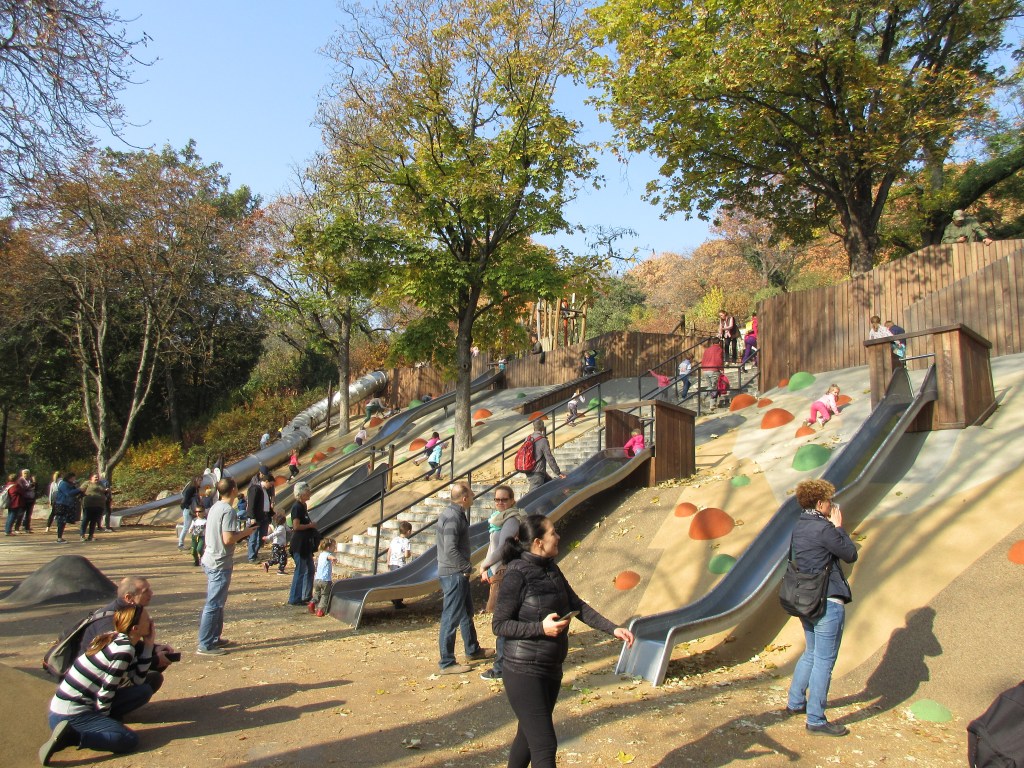
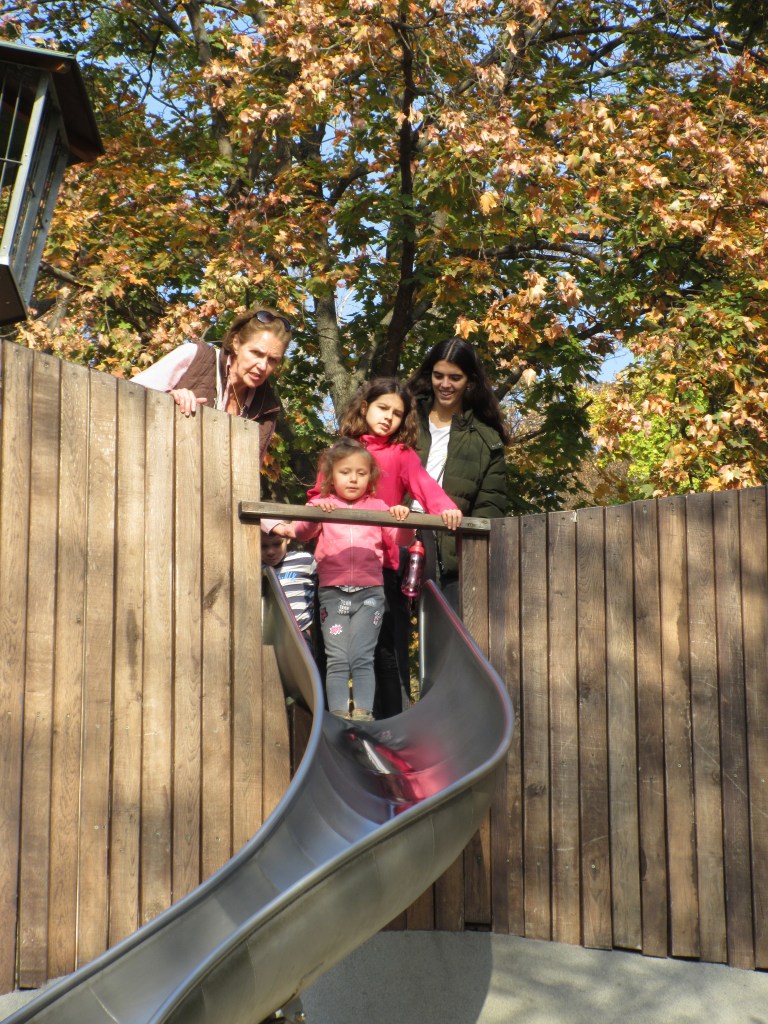
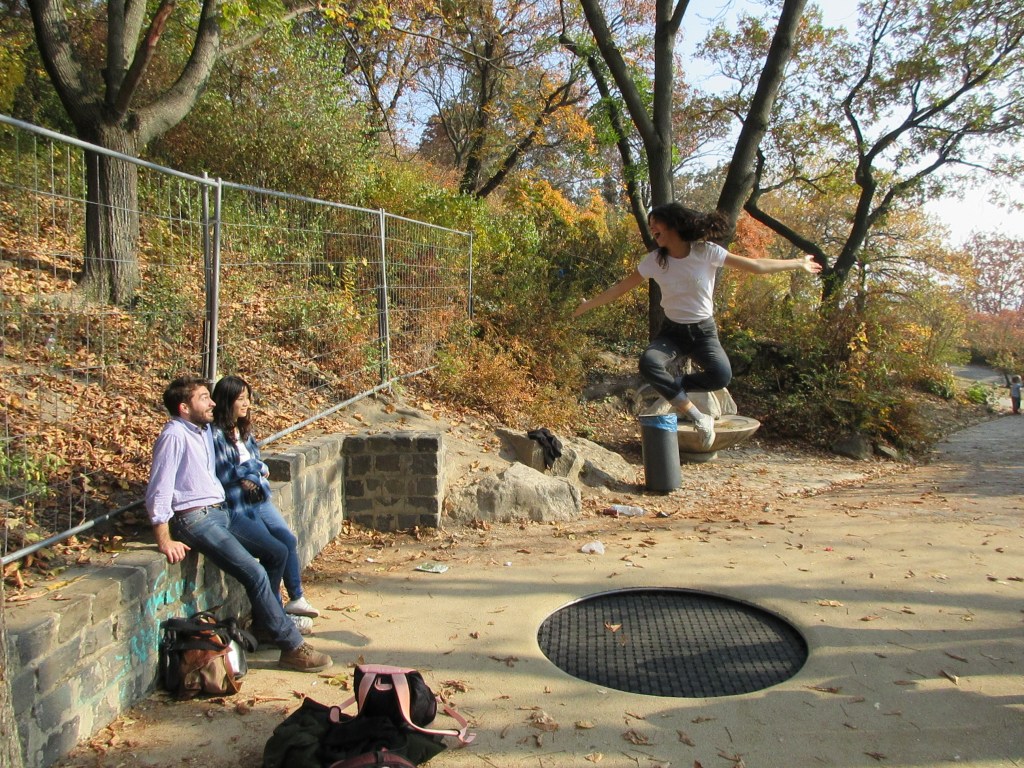
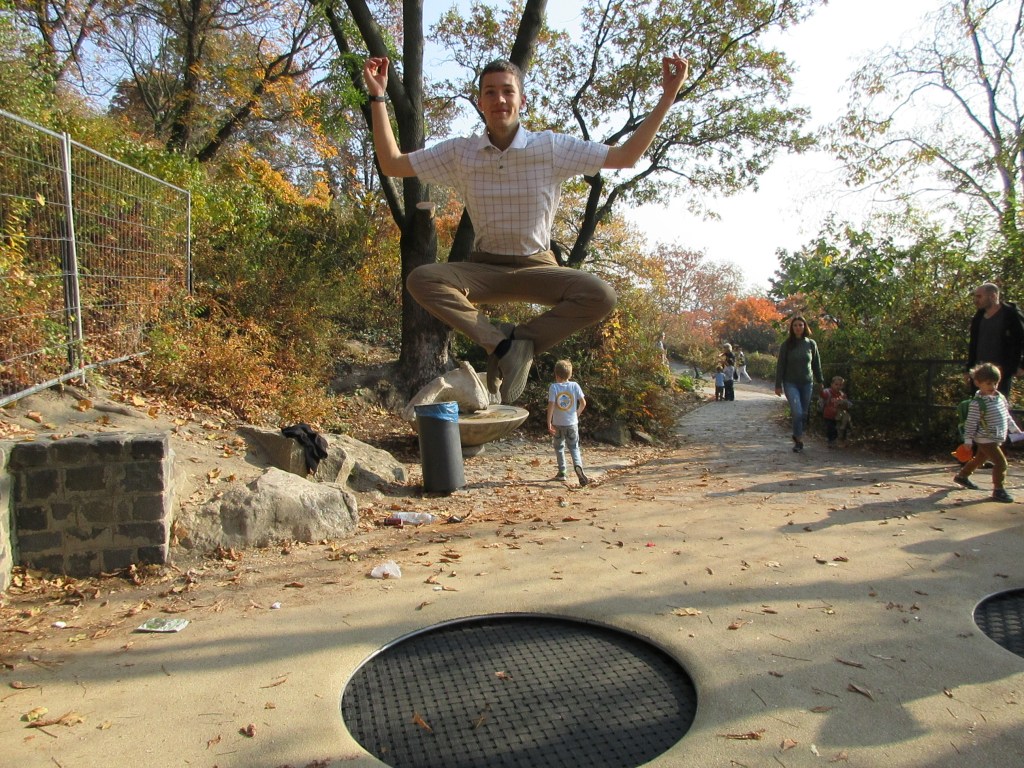
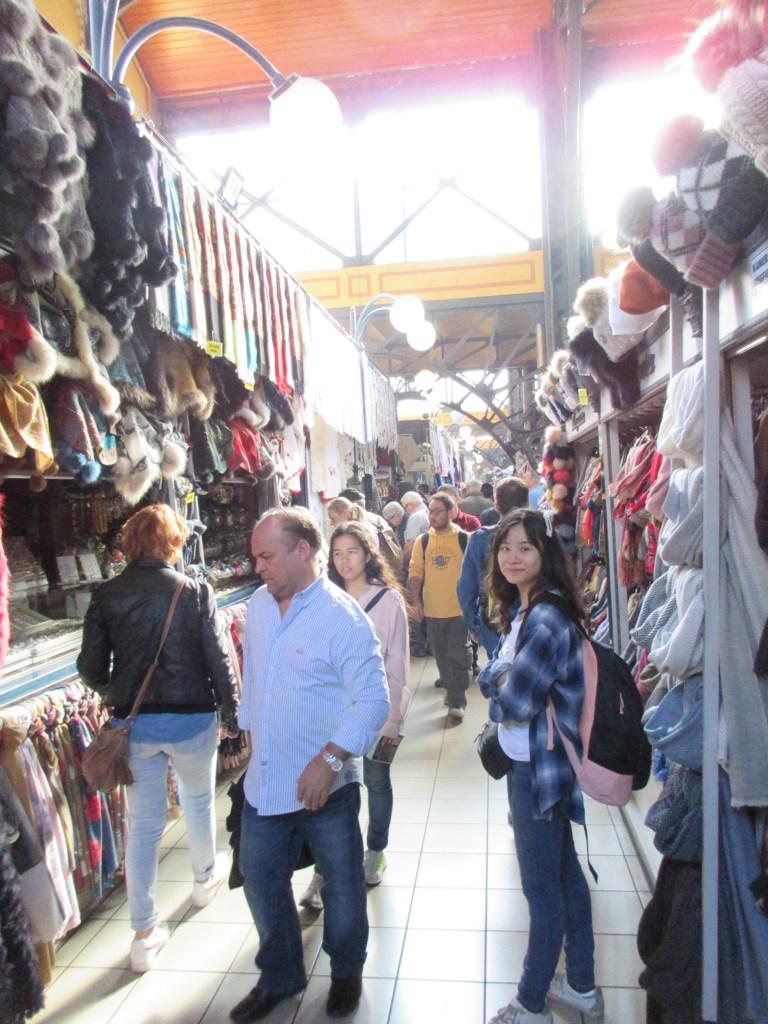
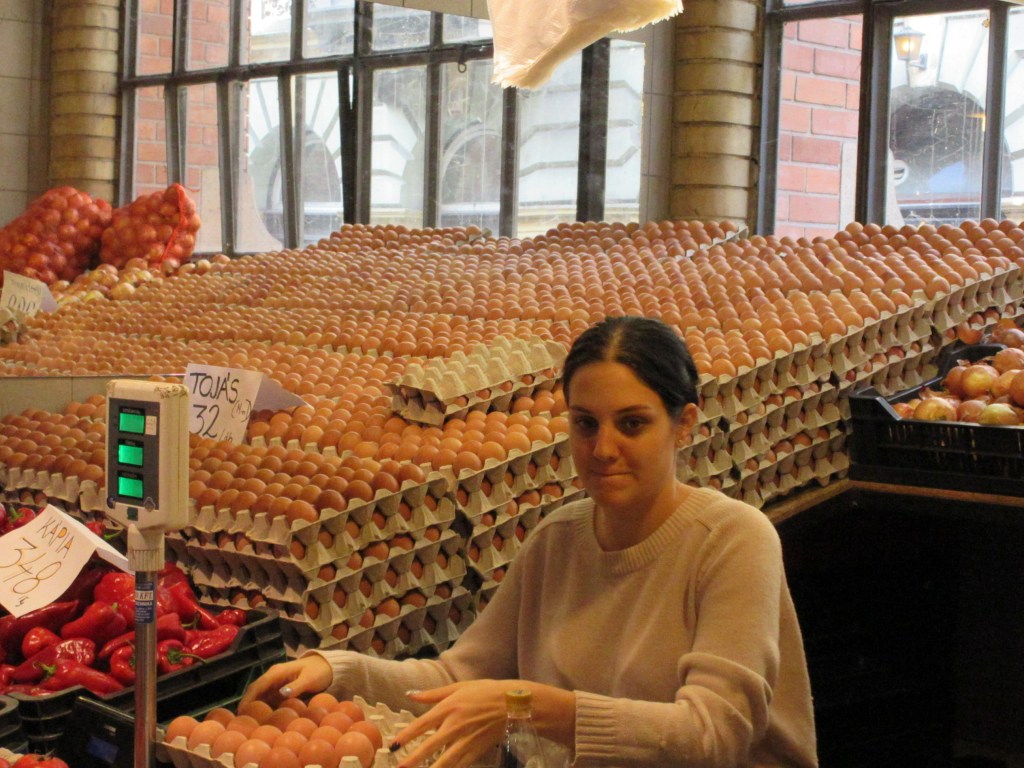
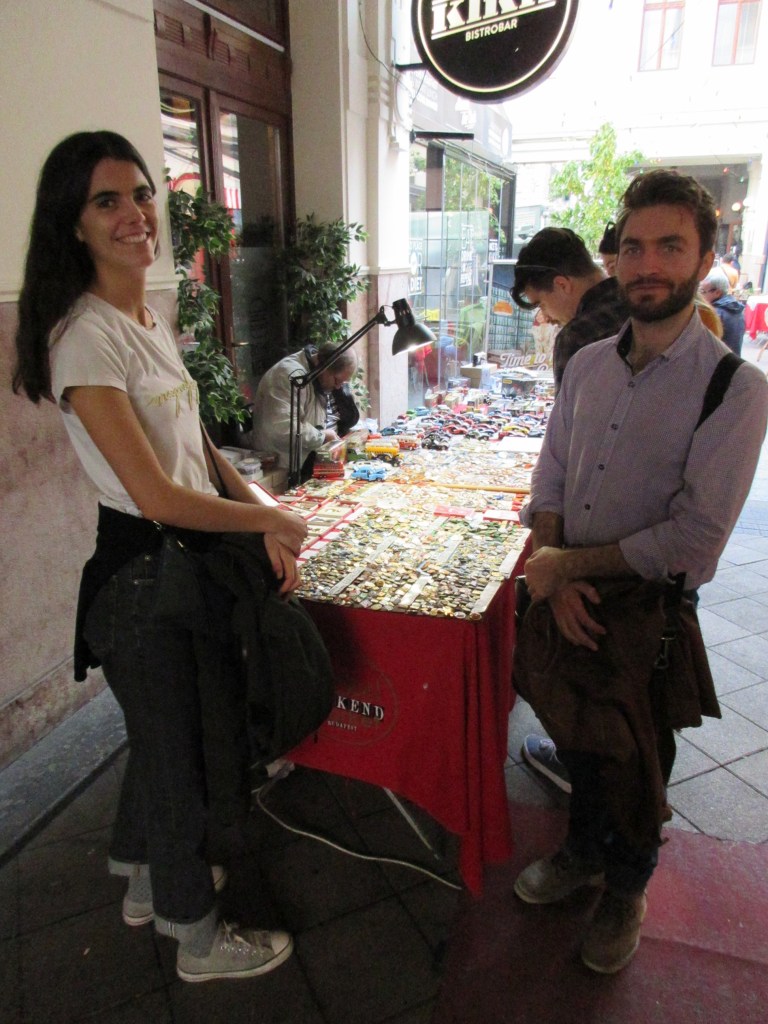
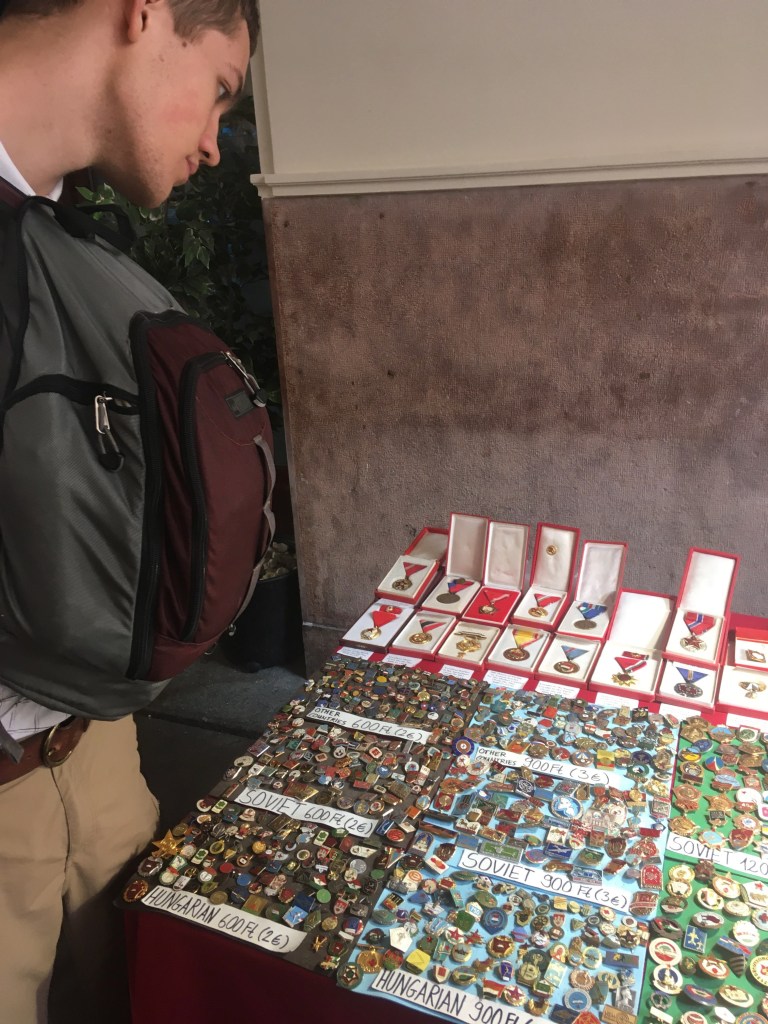
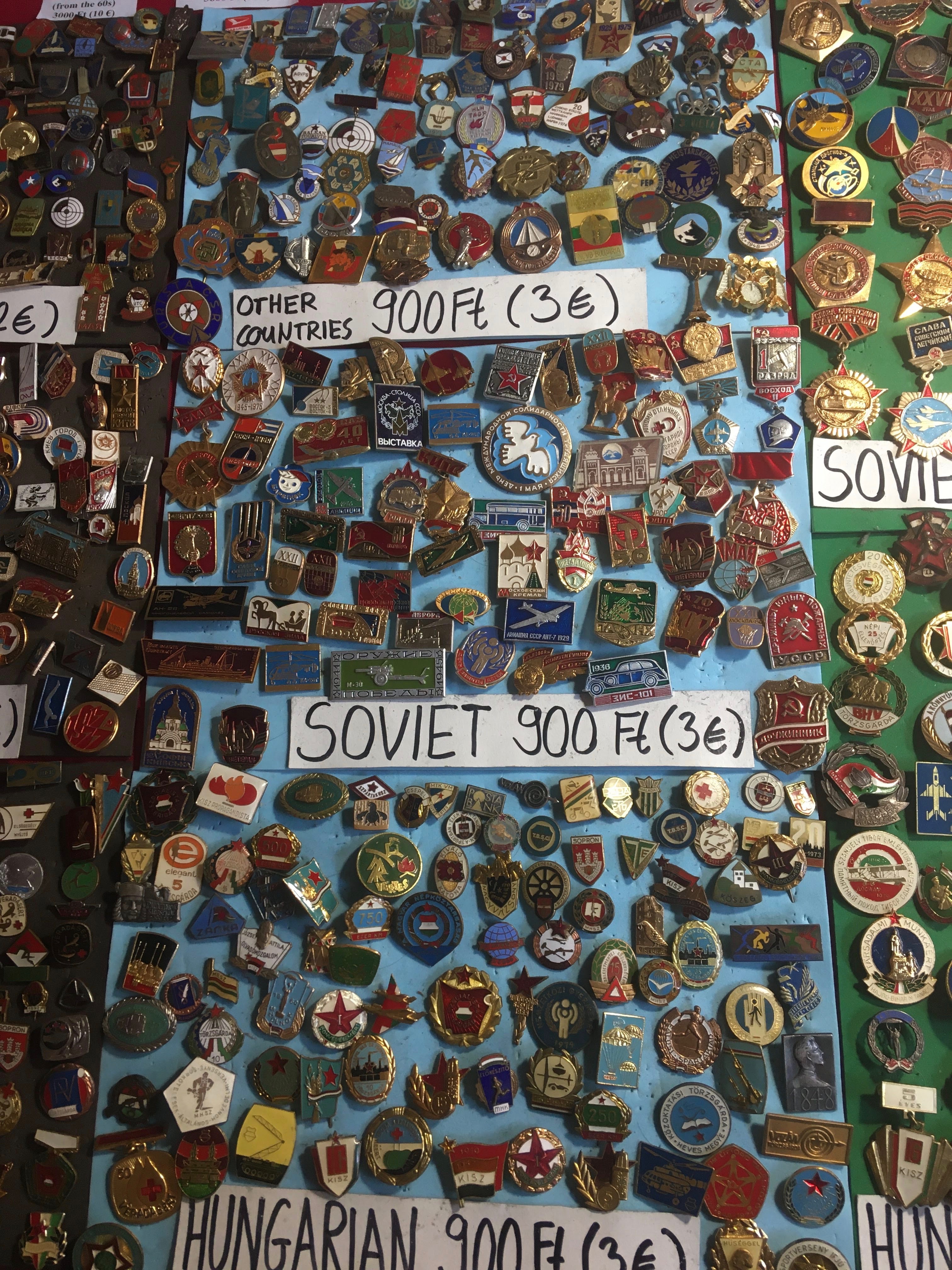
The trip back down the hill was fantastic for a very specific reason. I’d seen this playground with its impressive slides on the way up, and I made sure the four of us crossed paths with it going down. This is one of the very best playgrounds I have been at, after the City Museum in St. Louis, Missouri and trailed by ones with designs along the lines of Grass Lawn Park (Redmond, Washington) and Luther Burbank park (Mercer Island, Washington). This one on the Buda side of the Danube was obviously designed by someone who actually understood childlike parameters for what is fun (not like one of those grotesquely condescending “a-dolt” attempts at a “children’s” playground). This playground has four long slides down a big incline that doubles as a climbing slope, there are swings, a weird triangular structure on springs (that’s the genius key factor), trampolines set into the ground… I highly recommend it for those coming through Budapest who dare. We had quite a bit of fun. No matter that we were over the average age by a LONG shot! (not counting parents of course)After waiting for a space in the line for several minutes and gradually realizing that she wasn’t going to get ANY chance to go next from the little kids lining up without definitely claiming it, Teresa assumed the same stance and came down too!Trampoliiiines!!Here’s a picture trick I figured out with my siblings last summer while we were testing out the small travel camera I’d just got…We went inside the giant market building–tons of commodities on the second floorHere’s is a trick question for at least half: how much eggs are there? (at 32 forints an egg, that’s $1.27 a dozen) From a previous time here Teresa knew about this hidden alley off of Dob utca (“ootsaw”= street), with vendors of many and varied assortments. We came especially to see old Hungarian and Soviet artifacts and memorabilia–it’s fascinating to see this sort of thing first hand in more or less its original environment. I bought a Hungarian school grade-book from 1920-1922 (with the classes for each semester and marks for how well the owner was doing: the one I got was from a good student, with many “jol”s, or “good”s). The address is Dob utca 16 for anyone interested. The alley goes right through the middle of the block.I was especially struck by the back row–these were soviet commendations: “good soviet worker” type awards A very nice lunch at Köleves, recommended by Orsi (“Or-she”), the one Hungarian studying at the Kodály Institute. Although she’s been living abroad for 10 years she still knows where to go in Budapest! My grilled wedges of cheese on baked apple were delicious.going back upstream along the Danube toward the Margaret Bridge, toward a lookout and dessert shop also recommended by OrsiCampbell, Teresa, Kiki. One of the best and most hilarious parts of this whole Croatia trip started shortly after this picture was taken. Campbell and then me, began to teach Kiki English idioms and expressions, and she took to them like a duck takes to water.* Expressions really are such a marker of native speaker that it is hugely satisfying and entertaining to have someone like Kiki tossing them around* comfortably too. It’s not something taken for granted* anymore when that happens, and as most things that we take for granted, they are very rewarding if one is just able to hop out of that rut* and experience them consciously. *We soon realized how much we use them in everyday speech. I honestly did not notice that I was writing these idioms, oh so appropriately, until halfway through writing them)Here is another one of those places of Budapest that seems to come out of a book (or a movie, I thought here, which is why I used the 16:9 aspect ratio for this picture–perhaps something you wouldn’t have noticed otherwise) After watching the sunset up at the lookout, rushing to the dessert shop before it closed, and then going to a park where I also called home and learned about the plethora of kittens and plethora of apples there…we walked back to the Pest (“peSHt”) side. We met up with the rest of our group (Mila, Ruyu, and Sarah), picked up our things from the hostel, and found something to eat before we boarded an overnight Flixbus to Zagreb (which left at midnight).

 Hungary4Harmony